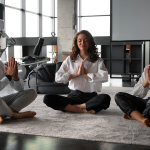
Yoga Therapy & Healing: A Holistic Approach to Wellness
Yoga is far more than a physical exercise routine. For thousands of years, it has been recognized as a powerful healing modality that addresses the mind, body, and spirit as interconnected aspects of our overall health. Modern research continues to validate what ancient yogis knew intuitively: that yoga can be a transformative tool for managing various health conditions and enhancing overall wellbeing.
This comprehensive guide explores how yoga can support healing and wellness for specific health challenges. While yoga is a valuable complement to medical care, it should never replace professional medical advice, diagnosis, or treatment. Always consult with your healthcare provider before beginning any new wellness practice, especially if you have existing health conditions.
Understanding Yoga as Therapy
Yoga therapy differs from a regular yoga class. It’s a personalized, holistic approach that uses yoga practices to address specific health concerns. The therapeutic benefits come from multiple dimensions including physical postures that improve strength, flexibility, and circulation, breathing techniques that calm the nervous system, meditation and mindfulness that reduce stress and enhance mental clarity, and the mind-body connection that promotes overall healing.
The beauty of yoga therapy is its ability to treat the whole person rather than just symptoms. It empowers you to take an active role in your healing journey while working alongside your medical care team.
Yoga for Back Pain Relief
Back pain is one of the most common ailments affecting millions of people worldwide. Whether caused by poor posture, muscle weakness, stress, or injury, yoga offers a gentle yet effective approach to relief and prevention.
Why Yoga Helps Back Pain – The therapeutic effects work through several mechanisms. Yoga strengthens core muscles that support the spine, increases flexibility in tight muscles that pull on the back, improves posture and body awareness, reduces inflammation through gentle movement, and addresses stress which often exacerbates pain. Studies have shown that regular yoga practice can be as effective as physical therapy for chronic lower back pain.
Best Poses for Back Pain – Certain poses are particularly beneficial for back health. Cat-Cow Pose gently mobilizes the spine and relieves tension. Start on hands and knees, alternate between arching and rounding your back with your breath, and move slowly and mindfully. This pose is excellent for warming up the spine.
Child’s Pose releases lower back tension and stretches the spine. Kneel and sit back on your heels, extend arms forward and rest forehead down, and breathe deeply into your back body. You can widen your knees for a deeper hip stretch.
Sphinx Pose strengthens the spine and opens the chest. Lie on your belly with forearms flat on the mat, lift your chest while keeping hips grounded, and draw shoulders back and down. This gentle backbend counteracts slouching and sitting postures.
Supine Twist releases tension in the lower back and hips. Lie on your back and draw knees to chest, lower both knees to one side while keeping shoulders grounded, and extend opposite arm out to the side. This pose gently stretches the spine and back muscles.
Bridge Pose strengthens the back, glutes, and core. Lie on your back with knees bent and feet flat, lift hips toward the ceiling, and keep knees hip-width apart and aligned over ankles. This pose builds the supporting muscles around your spine.
Important Precautions – When practicing yoga for back pain, avoid forward bends if you have disc issues, move slowly and never force a pose, skip poses that cause sharp or shooting pain, and focus on lengthening rather than compressing the spine. Listen to your body’s signals and modify as needed. If pain persists or worsens, consult a healthcare provider immediately.
Building a Back-Healthy Practice – Consistency matters more than intensity. Practice for 10-15 minutes daily rather than hour-long sessions sporadically, always warm up before deeper stretches, focus on alignment and proper form, and combine yoga with core strengthening exercises. Remember to maintain awareness of your posture throughout the day, not just during practice.
Yoga for Stress and Anxiety Management
In our fast-paced world, stress and anxiety have become epidemic. Yoga offers a natural, accessible way to calm the nervous system and restore emotional balance.
The Science Behind Yoga and Stress Relief – Research shows that yoga directly impacts our stress response. It activates the parasympathetic nervous system (rest and digest mode), lowers cortisol levels (the stress hormone), increases GABA production (a calming neurotransmitter), reduces inflammation associated with chronic stress, and improves heart rate variability (a marker of stress resilience). These physiological changes translate to feeling calmer, more centered, and better able to handle life’s challenges.
Breathwork for Immediate Calm – Breathing techniques, or pranayama, are powerful tools for anxiety relief. They can be practiced anywhere, anytime you feel stressed.
Diaphragmatic Breathing calms the nervous system instantly. Place one hand on your chest and one on your belly, breathe in deeply so your belly rises while your chest stays relatively still, and exhale slowly and completely. Practice for five to ten breaths whenever anxiety strikes.
4-7-8 Breathing is Dr. Andrew Weil’s technique for relaxation. Inhale through your nose for a count of four, hold your breath for a count of seven, exhale completely through your mouth for a count of eight, and repeat for four cycles. This pattern activates your relaxation response powerfully.
Alternate Nostril Breathing balances the nervous system. Use your thumb to close your right nostril and inhale through the left, close your left nostril with your ring finger and exhale through the right, inhale through the right, then switch and exhale through the left. Continue alternating for five to ten rounds. This practice creates mental clarity and emotional balance.
Restorative Poses for Deep Relaxation – These gentle poses allow your body to fully relax and release stored tension.
Legs-Up-the-Wall Pose is profoundly calming and restorative. Sit sideways next to a wall and swing your legs up as you lie back, rest your arms at your sides with palms up, and stay for five to fifteen minutes while breathing naturally. This pose reverses blood flow and calms the mind.
Supported Child’s Pose with a bolster or pillows provides deep comfort. Place a bolster or folded blankets between your thighs, fold forward and rest your torso on the support, and turn your head to one side and breathe deeply. This nurturing pose feels like a warm hug.
Corpse Pose with guided body scan combines relaxation with mindfulness. Lie flat on your back in a comfortable position, systematically relax each body part from toes to crown, and allow your breath to flow naturally for ten to twenty minutes. This is meditation in its most accessible form.
Creating an Anti-Anxiety Practice – Build a practice that specifically targets stress and anxiety. Practice at the same time daily to create a calming ritual, start with breathwork before moving into poses, include at least one restorative pose in every session, and end with meditation or guided relaxation. Keep sessions manageable, starting with just fifteen to twenty minutes daily.
Mindfulness and Meditation – The mental aspects of yoga are as important as the physical. Regular meditation practice rewires the brain for resilience, reduces rumination and worry, improves emotional regulation, and enhances overall mental wellbeing. Even five minutes of daily meditation can create significant benefits over time.
Yoga for PCOS/PCOD Wellness
Polycystic Ovary Syndrome affects millions of women worldwide, causing hormonal imbalances, irregular periods, weight gain, and other challenging symptoms. Yoga offers a holistic approach to managing PCOS naturally.
How Yoga Supports Hormonal Balance – The practice works on multiple levels to address PCOS symptoms. Yoga reduces stress and cortisol which interfere with hormonal balance, improves insulin sensitivity and glucose metabolism, supports healthy weight management, reduces inflammation throughout the body, stimulates the endocrine system, and promotes better sleep which is crucial for hormone regulation. Many women report more regular cycles and reduced symptoms with consistent practice.
Beneficial Poses for PCOS – Certain poses specifically support reproductive health and hormonal balance.
Butterfly Pose opens the hips and stimulates the ovaries. Sit with soles of feet together and knees falling open, hold your feet and gently press knees toward the floor, and keep your spine long and breathe deeply. This pose increases blood flow to the pelvic region.
Cobra Pose stimulates the ovaries and adrenal glands. Lie on your belly with hands under shoulders, press into hands and lift your chest, and keep elbows slightly bent and shoulders relaxed. This gentle backbend massages the reproductive organs.
Bow Pose is a deeper backbend that stimulates the entire endocrine system. Lie on your belly and bend your knees, reach back and hold your ankles, and lift your chest and thighs off the floor. This powerful pose balances hormones but should be practiced mindfully.
Supine Butterfly provides gentle hip opening with full relaxation. Lie on your back with soles of feet together, let knees fall open to the sides, and rest arms at your sides and breathe into your belly. This restorative variation is perfect for the end of practice.
Seated Forward Fold calms the nervous system and supports the reproductive organs. Sit with legs extended forward, hinge at hips and fold forward, and rest hands on legs, feet, or floor. This calming pose reduces stress that exacerbates PCOS symptoms.
Lifestyle Integration for PCOS Management – Yoga works best as part of a holistic approach. Practice yoga four to five times weekly for best results, combine with a balanced, anti-inflammatory diet, include stress management techniques daily, ensure adequate sleep (seven to nine hours nightly), and maintain regular meal times to support insulin balance. Track your cycle and symptoms to notice patterns and improvements.
Breathwork and PCOS – Pranayama is particularly powerful for hormonal health. Practice Bhramari (Bee Breath) to calm the endocrine system, use Ujjayi Breathing to reduce stress and balance hormones, and incorporate Nadi Shodhana to harmonize the left and right sides of the body. Regular breathwork practice can significantly impact hormone levels over time.
Yoga for Prenatal and Postnatal Health
Pregnancy and the postpartum period are transformative journeys that benefit immensely from a thoughtful yoga practice. Yoga supports both mother and baby through these profound changes.
Benefits of Prenatal Yoga – During pregnancy, yoga offers numerous advantages. It prepares the body for labor and delivery, reduces common pregnancy discomforts like back pain and swelling, improves sleep quality, reduces stress and anxiety, strengthens muscles needed for childbirth, enhances flexibility for easier labor, promotes optimal baby positioning, and creates community with other expecting mothers. Many women find prenatal yoga classes to be invaluable sources of support and information.
Safe Prenatal Poses – Always practice under the guidance of a certified prenatal yoga instructor and with your doctor’s approval.
Modified Cat-Cow relieves back pain and creates space for baby. Practice on hands and knees with knees wider for belly room, move gently between positions, and focus on pelvic mobility. This is safe throughout pregnancy.
Squat Pose prepares the pelvis for birth. Stand with feet wider than hip-width, lower into a squat position, and use a block or bolster for support if needed. This strengthens legs and opens the pelvis.
Side-Lying Savasana is the safe relaxation position for pregnancy. Lie on your left side with pillow between knees, support your belly with blankets or pillows, and rest your head comfortably. Never lie flat on your back after the first trimester.
What to Avoid During Pregnancy – Certain practices should be modified or avoided completely. Skip deep twists that compress the belly, avoid lying flat on your back after the first trimester, don’t practice hot yoga due to overheating risks, eliminate inversions and deep backbends, avoid jumping or jarring movements, and never practice breath retention exercises. When in doubt, consult your prenatal yoga teacher or healthcare provider.
Postnatal Yoga for Recovery – After birth, yoga supports healing and adjustment to new motherhood. Wait for your doctor’s clearance before resuming practice (typically six weeks for vaginal birth, longer for cesarean), start very gently with pelvic floor exercises and breathing, gradually rebuild core strength (avoid crunches initially), address posture issues from feeding and carrying baby, and create moments of self-care amidst new motherhood demands. Be patient with your body as it heals and adjusts.
Postnatal Poses for Healing – Focus on gentle restoration and strengthening.
Pelvic Tilts rebuild core strength safely. Lie on your back with knees bent, gently tilt pelvis to flatten lower back, and engage core without straining. Start with just a few repetitions.
Gentle Bridge Pose strengthens without overexertion. Lie on your back with knees bent, lift hips just slightly, and hold for a few breaths. Build gradually over time.
Supported Forward Fold with baby creates bonding time. Sit with baby in front of you, fold forward gently while maintaining eye contact, and sing or talk to baby while stretching. This combines stretching with precious connection time.
Yoga for Joint Pain and Mobility
Whether due to arthritis, injury, aging, or overuse, joint pain affects quality of life significantly. Yoga’s gentle approach can improve joint health and restore mobility safely.
Understanding Yoga’s Impact on Joints – The practice supports joint health through multiple pathways. Gentle movement maintains and improves range of motion, strengthening surrounding muscles that stabilize joints, increasing synovial fluid production that lubricates joints, reducing inflammation that causes pain, improving circulation to deliver nutrients to joints, and enhancing proprioception (body awareness) to prevent injury. The key is practicing mindfully and within your comfortable range.
Principles for Joint-Friendly Practice – When dealing with joint pain, follow these guidelines. Always warm up thoroughly before deeper movements, move slowly and mindfully, never push into pain, use props generously for support, focus on alignment to protect joints, practice on softer surfaces when helpful, and stay hydrated to support joint lubrication. Quality of movement matters far more than quantity or intensity.
Gentle Poses for Joint Mobility – These poses improve mobility without stressing joints.
Chair Pose strengthens without impact. Sit in a chair or squat slightly with support, keep knees aligned over ankles, and engage leg muscles to protect knee joints. This builds strength that protects joints.
Gentle Neck Rolls release tension and improve cervical mobility. Sit comfortably with spine long, slowly roll your head in circles, and reverse direction after a few rotations. Move very slowly and skip if it causes dizziness.
Wrist Circles maintain hand and wrist mobility. Extend arms and circle wrists in both directions, spread fingers wide and make fists, and practice regularly if you use your hands extensively. This prevents stiffness and maintains function.
Ankle Circles preserve ankle flexibility and strength. Sit comfortably and lift one foot, circle ankle slowly in both directions, and point and flex the foot. This is especially important as we age.
Supine Hip Circles gently mobilize the hip joints. Lie on your back and draw one knee to chest, circle the knee slowly in both directions, and keep movements small and controlled. This maintains hip mobility without weight-bearing stress.
Yoga for Arthritis – Arthritis requires special consideration but yoga can be highly beneficial. Practice during times when pain is lower, use chair yoga modifications when needed, focus on gentle, flowing movements, include rest periods between poses, and communicate with your instructor about your needs. Studies show that regular gentle yoga reduces arthritis pain and improves function.
Complementary Practices – Enhance your yoga practice with other joint-supportive activities. Consider swimming or water aerobics for low-impact movement, practice tai chi for additional gentle mobility work, use heat therapy before practice to warm joints, apply ice after practice if experiencing inflammation, and maintain a healthy weight to reduce joint stress. An integrated approach yields the best results.
Creating Your Personal Healing Practice
Whether addressing one condition or multiple health concerns, creating a consistent personal practice is key to experiencing yoga’s healing benefits.
Start Where You Are – Honor your current state without judgment. Acknowledge your limitations while celebrating what you can do, modify every pose to suit your needs, rest whenever necessary, and remember that showing up is the most important step. Your practice will evolve as you do.
Build Gradually – Healing takes time and patience. Begin with just ten to fifteen minutes daily, add time and intensity slowly over weeks and months, notice small improvements and celebrate them, and trust the process even when progress seems slow. Consistency creates transformation.
Listen to Your Body – Your body provides constant feedback. Pain is a signal to stop or modify, discomfort in stretching is normal and acceptable, fatigue means rest is needed, and some days require gentler practice than others. Developing this listening skill is part of yoga’s wisdom.
Track Your Progress – Keep a simple wellness journal noting poses practiced and duration, symptoms and pain levels before and after, energy and mood changes, and sleep quality and stress levels. Over time, patterns emerge that help you understand what works best for your body.
Seek Guidance – While home practice is valuable, professional support enhances results. Work with certified yoga therapists for personalized programs, attend specialized classes for your condition, and consult regularly with healthcare providers about your progress. Integrating yoga with medical care provides comprehensive support.
Conclusion: Your Journey to Wellness
Yoga therapy offers a profound path to healing that honors the interconnection of body, mind, and spirit. Whether you’re seeking relief from back pain, managing stress and anxiety, supporting hormonal balance with PCOS, navigating pregnancy and motherhood, or addressing joint pain and mobility challenges, yoga provides tools for transformation.
Remember that healing is not linear. There will be days of progress and days of challenge. What matters is showing up for yourself with compassion, patience, and commitment to your wellbeing. Each time you roll out your mat, you’re investing in your health and honoring your body’s innate wisdom and capacity for healing.
Start today. Start gently. Start with hope. Your healing journey awaits, and yoga is here to support you every step of the way.
Important Reminder: This information is for educational purposes and general wellness guidance only. It is not intended to diagnose, treat, cure, or prevent any disease or medical condition. Always consult with qualified healthcare professionals before beginning any new wellness practice, especially if you have existing health conditions, are pregnant, or are taking medications. Yoga is a complement to medical care, not a replacement for it.