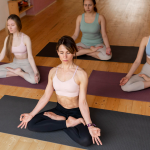
Yoga for Beginners: Your Complete Guide to Starting Your Journey
Starting a yoga practice can feel overwhelming, especially when you see advanced practitioners bending into seemingly impossible shapes. But here’s the truth: yoga isn’t about flexibility or perfection. It’s about showing up for yourself, breathing deeply, and moving mindfully. This comprehensive guide will walk you through everything you need to know to begin your yoga journey with confidence.
Why Start Yoga?
Before diving into the poses and practices, let’s explore why millions of people worldwide have made yoga a part of their daily lives. Yoga offers numerous benefits including reduced stress and anxiety, improved flexibility and strength, better posture and body awareness, enhanced mental clarity and focus, deeper, more restful sleep, and increased overall wellbeing. The beauty of yoga is that these benefits are available to everyone, regardless of age, fitness level, or flexibility
Basic Poses Every Beginner Should Master
Starting with foundational poses will build your confidence and create a strong base for your practice. Here are the essential poses to learn first:
Mountain Pose (Tadasana) – This is the foundation of all standing poses. Stand with feet hip-width apart, distribute weight evenly across both feet, engage your thighs and lift your kneecaps, lengthen your spine and roll shoulders back, and let arms hang naturally at your sides. Mountain Pose teaches proper alignment and body awareness, making it crucial despite its simplicity.
Child’s Pose (Balasana) – Your resting pose and safe haven during practice. Kneel on your mat with big toes touching, sit back on your heels, fold forward and extend arms in front, and rest your forehead on the mat. This pose gently stretches the hips, thighs, and ankles while calming the mind. Return to this pose whenever you need a break.
Downward Facing Dog (Adho Mukha Svanasana) – One of the most recognized yoga poses. Start on hands and knees, tuck toes and lift hips toward the ceiling, press hands firmly into the mat, and lengthen your spine while reaching heels toward the floor. Don’t worry if your heels don’t touch the ground initially. This pose stretches and strengthens the entire body.
Cat-Cow Pose (Marjaryasana-Bitilasana) – Perfect for warming up the spine. Start on hands and knees in a tabletop position, inhale and arch your back, lifting head and tailbone (Cow), exhale and round your spine, tucking chin to chest (Cat), and flow between these positions with your breath. This gentle flow increases spinal flexibility and relieves back tension.
Warrior I (Virabhadrasana I) – A powerful standing pose that builds strength. Step one foot back about three to four feet, turn back foot out slightly, bend front knee to 90 degrees, raise arms overhead, and keep hips facing forward. This pose strengthens legs, opens hips and chest, and builds focus and stability.
Tree Pose (Vrksasana) – Your introduction to balance poses. Stand on one leg, place opposite foot on inner thigh or calf (never on knee), bring hands to prayer position at chest or overhead, and find a focal point to maintain balance. Start with foot at ankle if needed. Balance improves with consistent practice.
Corpse Pose (Savasana) – The final relaxation pose, and arguably the most important. Lie flat on your back, let feet fall open naturally, rest arms at sides with palms up, and close your eyes and breathe naturally. This pose allows your body to absorb the benefits of your practice. Never skip this essential pose.
Common Mistakes Beginners Make (And How to Avoid Them)
Learning what NOT to do is just as important as learning proper technique. Here are the most common pitfalls and how to avoid them:
Holding Your Breath – Many beginners focus so intensely on poses that they forget to breathe. Your breath should flow continuously throughout your practice. Inhale to prepare and create space, exhale to deepen and release. If you can’t breathe comfortably in a pose, you’ve gone too far.
Comparing Yourself to Others – In a class or watching videos, it’s tempting to compare your practice to others. Remember that everyone’s body is different, flexibility develops at different rates, yoga is not competitive, and your only competition is yourself yesterday. Focus on your own mat and your own progress.
Pushing Through Pain – There’s a crucial difference between discomfort and pain. Discomfort is the feeling of muscles stretching and working, while pain is sharp, shooting, or causes you to hold your breath. Always honor pain as a signal to back off. Yoga should challenge you but never hurt you.
Skipping the Warm-Up – Jumping directly into advanced poses without preparation increases injury risk. Always start with gentle movements and build gradually to more challenging poses. Your body needs time to warm up, and rushing this process does more harm than good.
Gripping and Tensing – Beginners often create unnecessary tension, especially in the shoulders, jaw, and face. Regularly scan your body during practice, soften areas that don’t need to be engaged, and relax your facial muscles. Yoga should create ease, not tension.
Ignoring Alignment – Proper alignment prevents injury and maximizes benefits. Consider taking beginner classes where teachers can correct your form, use mirrors to check your alignment, and don’t sacrifice alignment to go deeper into a pose. Quality always beats quantity in yoga.
How to Build Consistency in Your Practice
Starting is easy. Sticking with it is the real challenge. Here’s how to build a sustainable yoga habit:
Start Small – Don’t commit to hour-long sessions immediately. Begin with just 10-15 minutes daily. This makes it manageable and sustainable. As consistency builds, naturally extend your practice time. Small, regular practice beats sporadic intensive sessions.
Choose a Specific Time – Anchor your practice to a specific time of day. Morning yoga energizes you for the day ahead, lunchtime practice provides a midday reset, and evening sessions help you unwind. Consistency in timing creates a habit loop your brain recognizes.
Create a Dedicated Space – You don’t need a studio, just a quiet corner. Keep your mat rolled out and visible, remove distractions from the area, and make it inviting with candles, plants, or inspiring images. A dedicated space signals to your brain that it’s time to practice.
Track Your Progress – Keep a simple journal noting date, duration, poses practiced, and how you felt. Seeing your consistency builds motivation, tracking helps you notice patterns and progress, and written records create accountability. Apps can help with tracking too.
Be Flexible with Your Practice – Some days you’ll have energy for a vigorous flow, other days gentle stretching is all you need. Adjust your practice to match your energy level, honor what your body needs each day, and remember that showing up is what matters most. Consistency doesn’t mean identical practices.
Find Community – Whether online or in-person, community creates accountability. Join local classes to meet fellow practitioners, participate in online yoga communities, and share your journey with friends. Connection keeps you motivated and inspired.
Yoga for Weight Loss
While yoga might not burn as many calories as running, it’s remarkably effective for weight loss when practiced consistently. Here’s why:
Stress Reduction – Chronic stress elevates cortisol, which promotes fat storage, especially around the belly. Yoga lowers cortisol levels, activates the parasympathetic nervous system, and reduces emotional eating triggers. Managing stress is crucial for sustainable weight loss.
Mindful Eating – Regular yoga practice increases body awareness, helping you recognize true hunger versus emotional hunger, eat more slowly and mindfully, and make healthier food choices naturally. This mental shift often matters more than calories burned during practice.
Muscle Building – Many yoga poses build lean muscle mass. Power Yoga and Vinyasa are particularly effective for this, holding poses builds muscular endurance, and increased muscle mass boosts resting metabolism. More muscle means more calories burned even at rest.
Best Styles for Weight Loss – Not all yoga is equal for burning calories. Power Yoga offers an intense, fitness-focused practice, Vinyasa Flow links poses in flowing sequences that raise heart rate, Ashtanga follows a rigorous set sequence, and Hot Yoga increases calorie burn through heat. Try different styles to find what you enjoy.
Realistic Expectations – Yoga supports weight loss but isn’t a magic solution. Combine regular practice with healthy eating, expect gradual, sustainable results, and focus on how you feel, not just the scale. The metabolic and mental benefits will support your weight loss journey.
Yoga for Flexibility
If you can’t touch your toes, you’re exactly where you need to be to start yoga. Flexibility is the result of practice, not a prerequisite.
Understanding Flexibility – Flexibility varies by individual genetics, past activity and injury history, age, and even time of day. We’re typically more flexible in the evening than morning. Accept your starting point without judgment.
How Yoga Improves Flexibility – Regular practice works through several mechanisms: stretching lengthens muscle fibers, holding poses increases range of motion, breath work releases muscular tension, and consistent practice retrains the nervous system to allow deeper stretches. Changes happen gradually but surely.
Key Poses for Flexibility – Focus on these poses to increase overall flexibility. Forward Fold stretches the entire back body, Pigeon Pose opens tight hips, Cobra Pose improves spinal flexibility, and Seated Spinal Twist increases rotational mobility. Triangle Pose stretches legs and opens hips and shoulders.
Timeline for Results – With consistent practice four to five times weekly, expect to notice increased ease in poses within two to three weeks, significant flexibility gains in two to three months, and continued improvement over years. Progress isn’t always linear, so be patient.
Tips for Safe Flexibility Training – Always warm up before deep stretching, hold stretches for 30-60 seconds for best results, breathe deeply to release tension, and never bounce or force a stretch. Flexibility gained slowly is flexibility that lasts
Getting Started: Your First Week
Ready to begin? Here’s a simple plan for your first week:
Day 1-2: Practice Mountain Pose, Cat-Cow, Child’s Pose, and Savasana for 10 minutes. Focus on breathing and body awareness.
Day 3-4: Add Downward Dog and Forward Fold to yesterday’s poses. Extend to 15 minutes.
Day 5-6: Introduce Warrior I and Tree Pose. Practice for 15-20 minutes.
Day 7: Rest day or gentle stretching only. Reflect on your first week.
Essential Tips for Success
As you continue your journey, keep these principles in mind: Listen to your body always, breathe continuously and consciously, focus on alignment over depth, practice regularly rather than perfectly, be patient with your progress, invest in a good quality mat, and most importantly, enjoy the journey.
Conclusion
Starting yoga is one of the most valuable gifts you can give yourself. It’s a practice that meets you wherever you are and grows with you throughout your life. You don’t need to be flexible, strong, or stress-free to start. You just need to show up on your mat with an open mind and a willing heart.
Remember, every expert was once a beginner who didn’t give up. Your yoga journey is uniquely yours. Embrace it, honor it, and watch how it transforms not just your body, but your entire life.
Roll out your mat, take a deep breath, and begin. Your journey starts now.